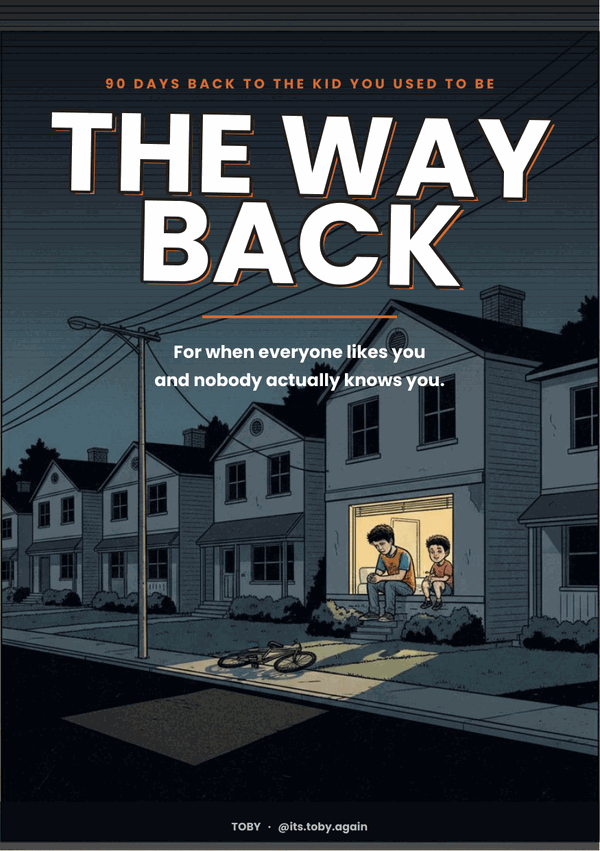
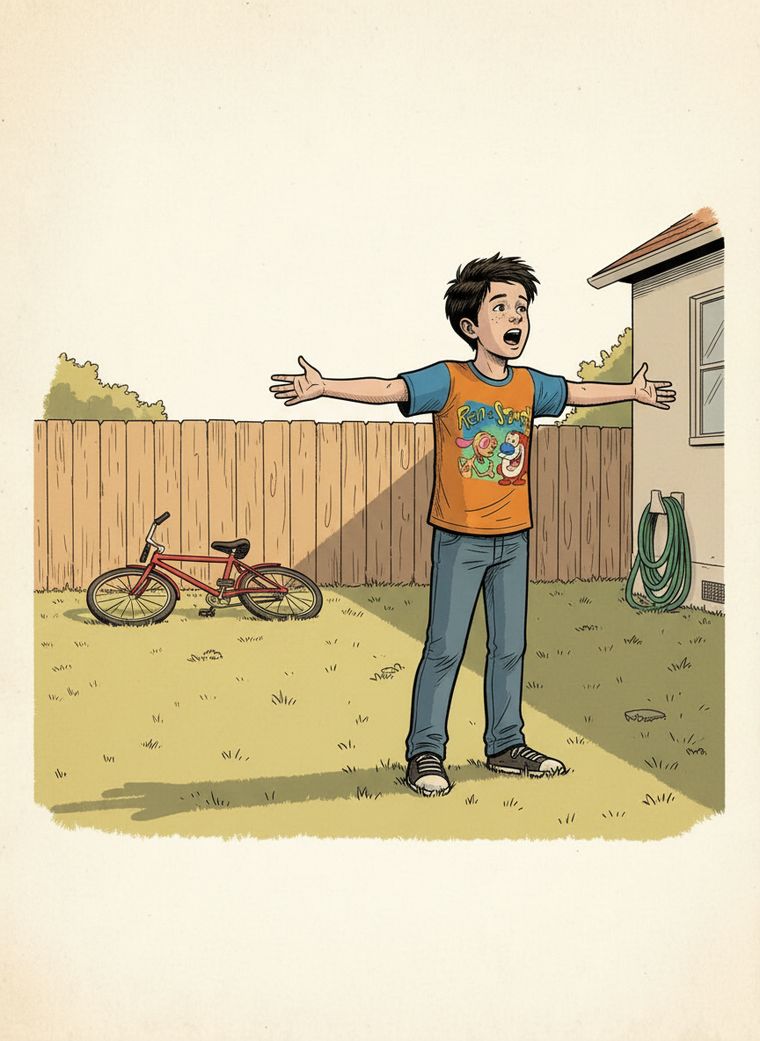
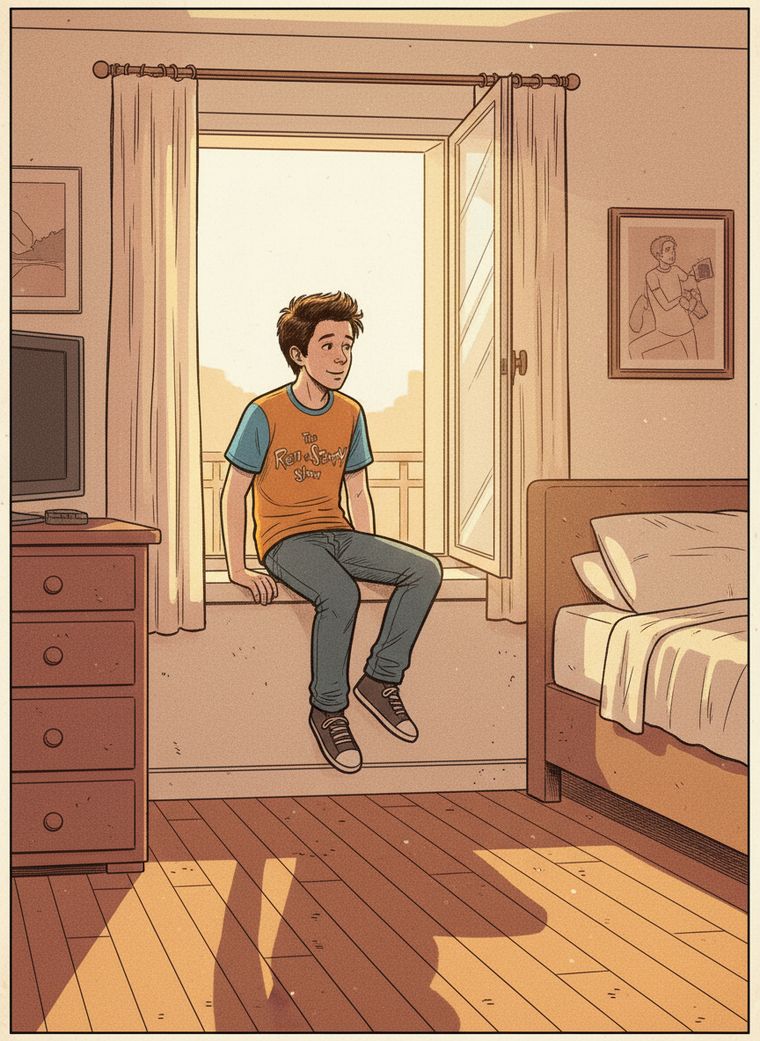
You felt something in that video. For about ten seconds.
Then it went. It always goes.
That ten seconds is the whole thing. Not the kid, not the photo. The fact that something got through.
Most days nothing does. You know that better than anyone.
Give me thirty seconds. If this isn't you, you'll know, and you can go.
It's not that it hurts. It's that it doesn't.
Something good happens. You wait to feel it. It doesn't come.
You say the right things. You look pleased. Inside there's nothing, and you're the only one who knows.
Good days and bad days feel about the same. You call that fine. Some days you call it strong.
It isn't. It's the volume turned down on everything. You couldn't turn down only the bad. When it goes down, it all goes.
You didn't break. You turned it down, a piece at a time, because feeling things around people stopped being safe.
People who filled in my questions said it like this:
"It's been 10 years since things have felt normal."
"I'm in my 40s, happily married, and grateful for a lot in my life, but at the same time I feel completely lost."
"Everyone likes me and nobody actually knows me."
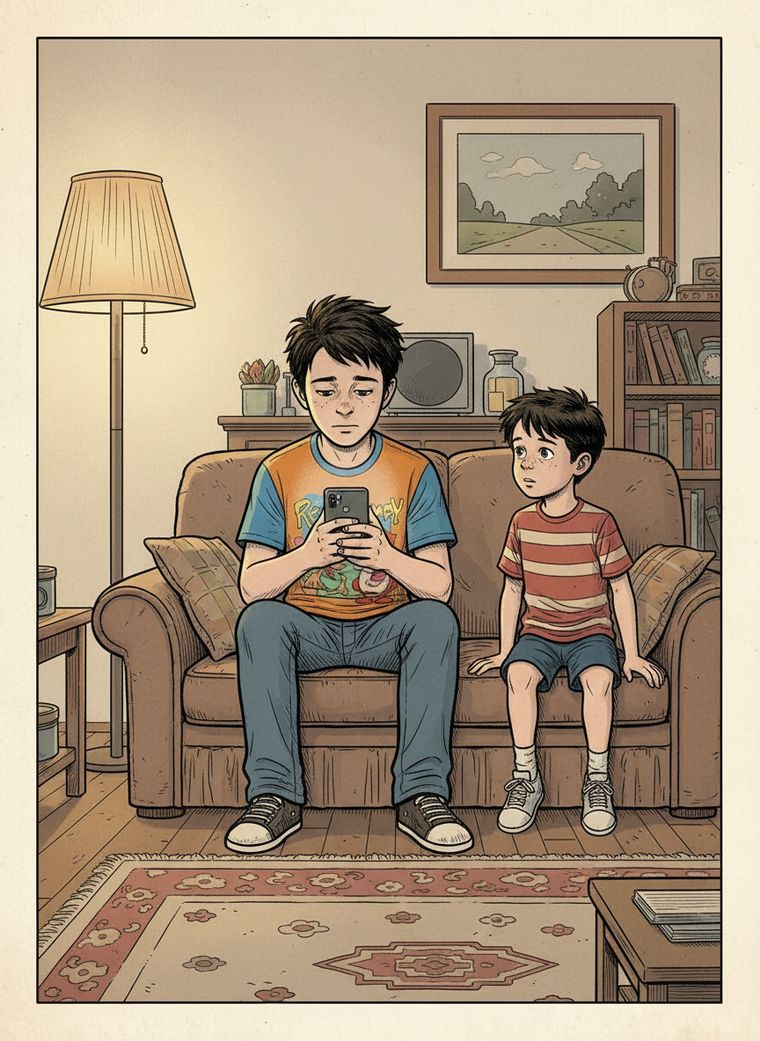
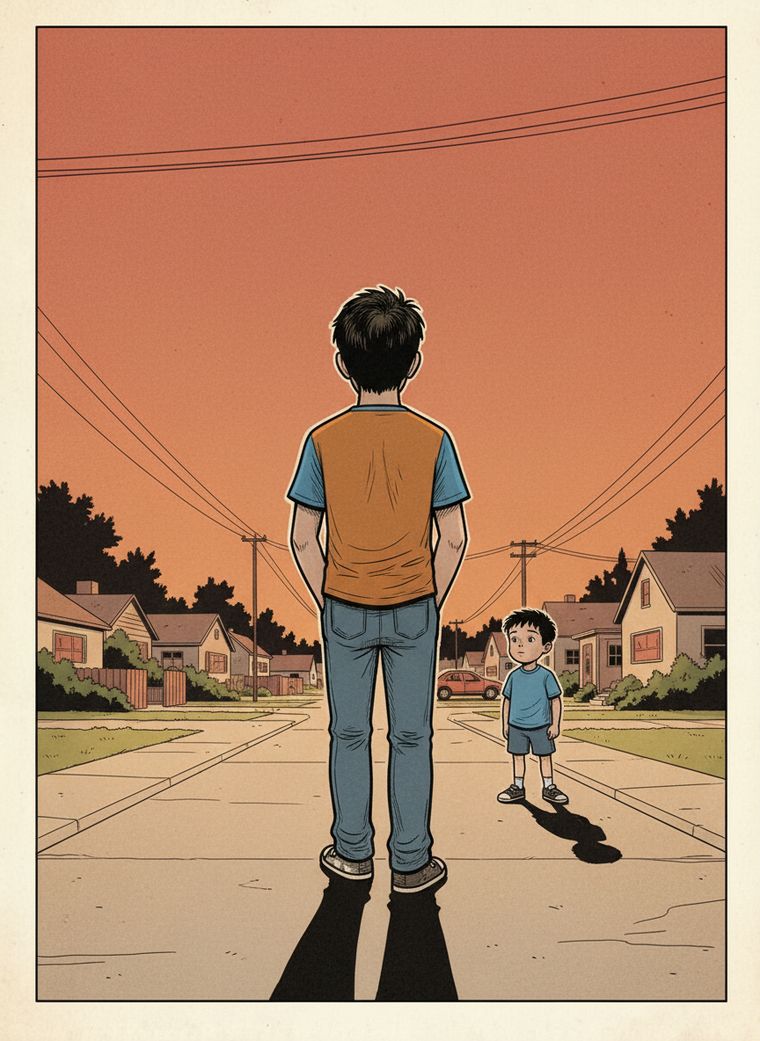
There was a kid in you who felt everything.
He said things straight out. He didn't check them first.
He cried at films. He rang people for no reason.
Nobody took him away. He went slowly.
Someone pulled a face when you said what you thought. So next time you said less.
Someone was busy when you rang. So you stopped ringing.
You told someone something real, and watched them put it away. So you told the next one less.
None of it was big.
That's why you can't remember when you changed. Nothing happened. You just got quieter.
People think you haven't tried. You have.
Maybe you sat in a room and told the truth for an hour a week.
Maybe you took the tablets.
Maybe you read the books and underlined half of them.
Some of it helped. It really did.
But it never touched this one thing.
You can sit in a room with people who love you and still feel like you're behind glass.
They gave you words for it. They didn't get you out.
And busy worked.
That's the trap.
Drink too much and someone sits you down.
Work till eleven and they call you dedicated.
Fill every weekend and they say they don't know how you do it.
Busy is the only one nobody stops.
That's why it lasts ten years.
Want to know if it's you? Tonight, sit down with nothing on. No phone. No TV. Nothing to tidy. Ten minutes.
If you can't do it, busy is not a habit. It is how you avoid feeling.
Maybe they didn't get it. You watched them try. That was almost worse.
Maybe they looked at you differently after. And never quite stopped.
Or maybe it came back. Months later, in a row, the thing you told them came out of their mouth. Pointed at you.
That only has to happen once.
So you're not shy. You're not bad at this.
You tried it. It hurt. You stopped. That's a sensible thing to do.
I'm not going to ask you to open up. That's a stupid thing to ask, and you'd never do it.
I didn't read this anywhere. I lived it.
A phone full of names. Nobody who knew a single true thing about me. Ten years, and somewhere in the middle I stopped calling it a bad patch and started calling it me.
And I'll say this straight, this book is not for everyone. My job here is to help people, not just sell a copy. If all I wanted was the sale, I'd skip the questions and just take your money. I'd rather know first. So I ask. If what you tell me sounds like your life, I'll say so, plainly, and I'll mean it when I say this could be exactly what you need.
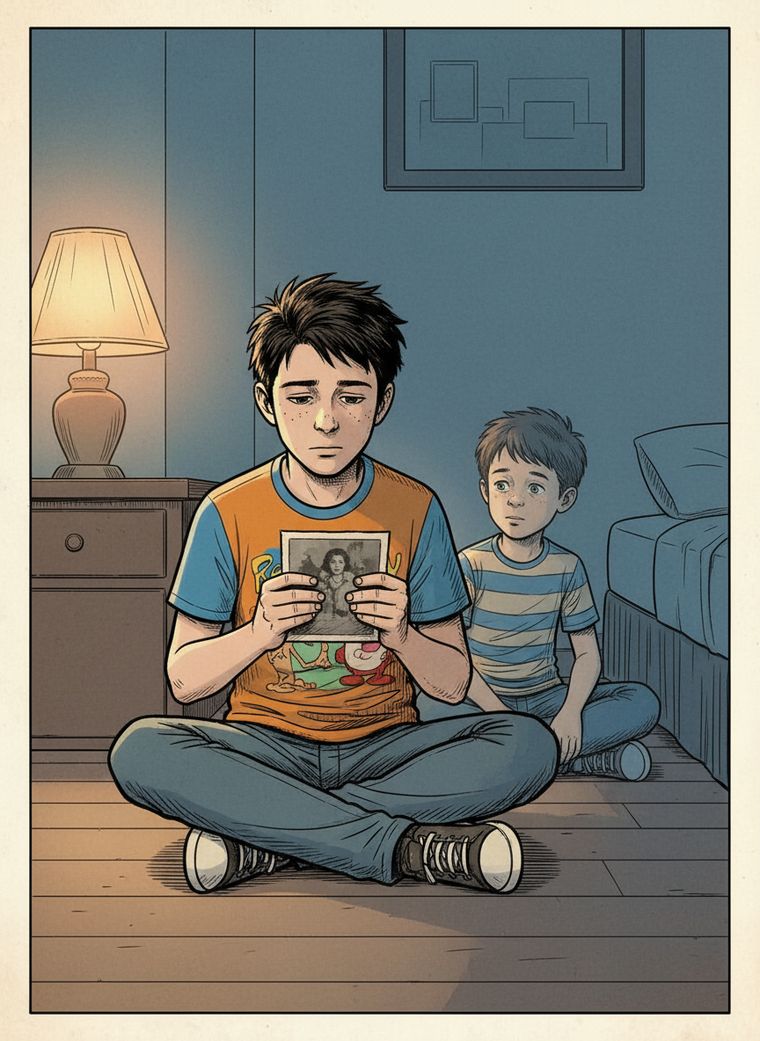
It's me. Toby.
Five things I noticed in myself:
They're my own names for my own habits, not science and not a diagnosis. Some of them might sound like you, some might not. And knowing about them didn't fix anything on its own. What helped me was doing something small every day: 90 exercises, 5 minutes each, in an order that built.
Day 1: count how many times you say "fine" without checking. That's it.
Day 2: when someone asks how you are, count to two before you answer. You don't change the answer. You open the gap.
Then small true things, out loud, starting with the ones that cost nothing. After each one you write down what happened. Not how you felt. What they did.
That's one piece of evidence. The book is ninety of them.
Because right now you're running your whole life off one thing that happened years ago. And you've never once checked if it's still true.
How the book is laid out:
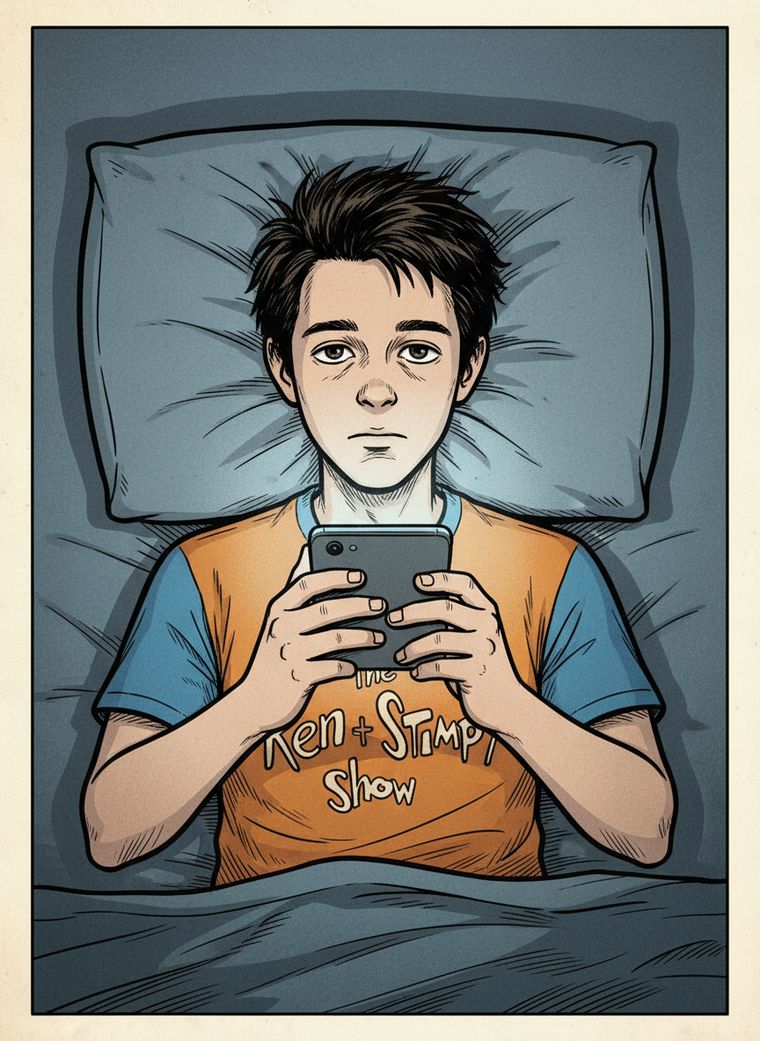 WEEK 1
Noticing.
Two weeks of just watching, no forcing. The exercises ask you to count your own deflections, find your worst hour, and write down what you actually notice.
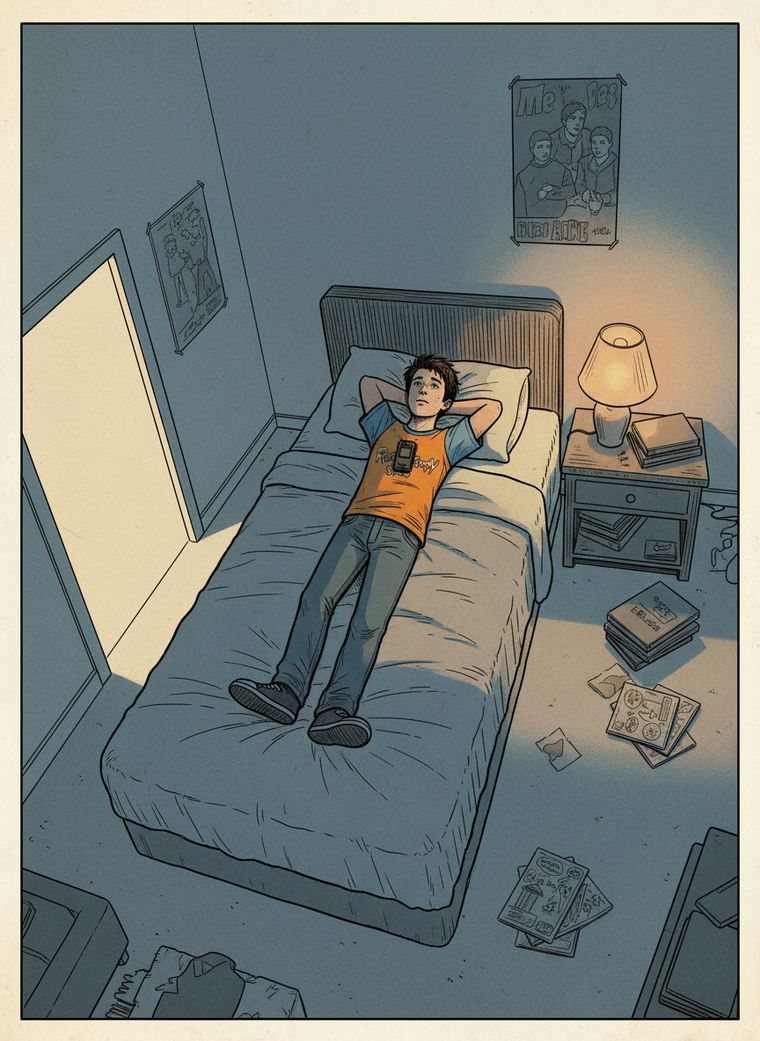 WEEK 2
Where it came from.
The chapters on how a habit like this gets built, slowly, out of small moments. My own version of it, and why I stopped reading it as a flaw.
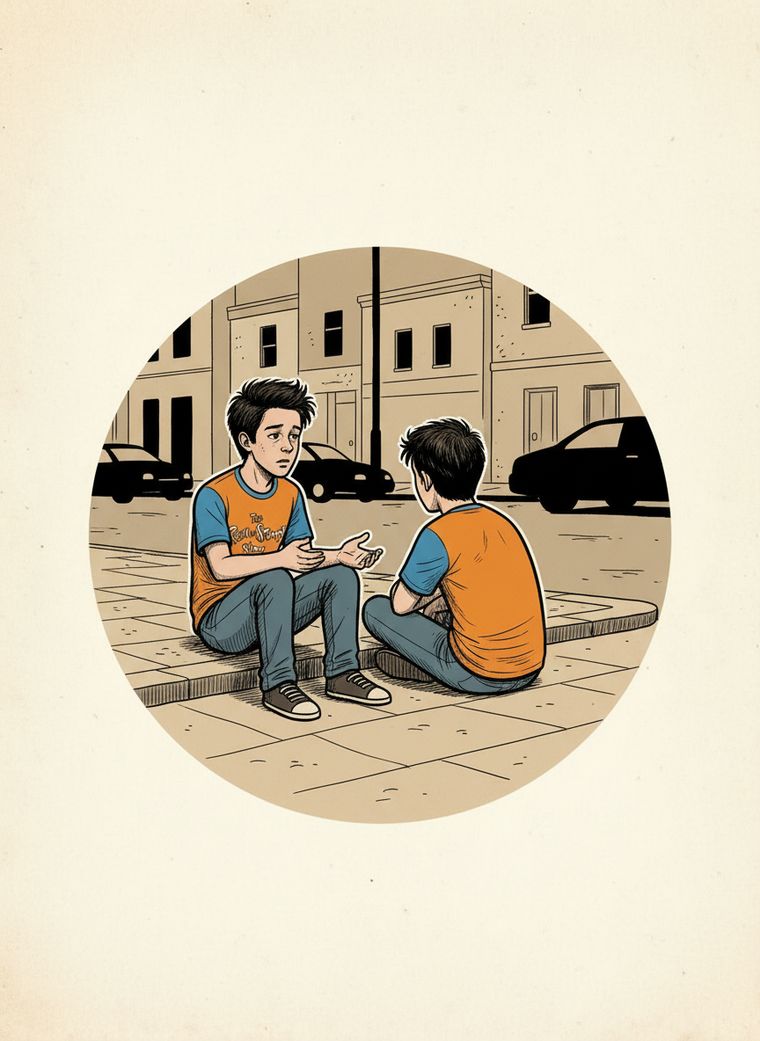 WEEK 3
Saying one true thing.
The exercises get small and specific here. One sentence, to one person, chosen carefully. Nothing bigger than that.
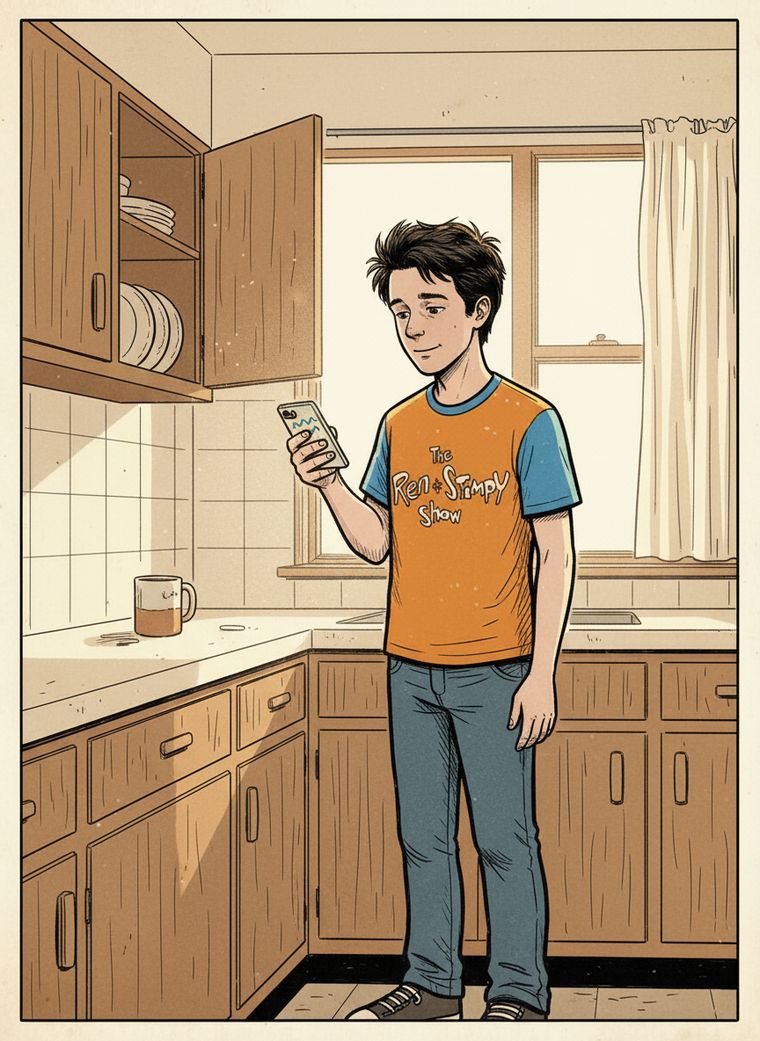 WEEK 6
People.
Choosing who, and in what order. This section is about giving one person something real to hold, rather than trying to be liked by more of them.
WEEK 10
The kid.
The part of the book about the version of you who felt everything. For me this was the hardest section to write, and the one I hear about most.
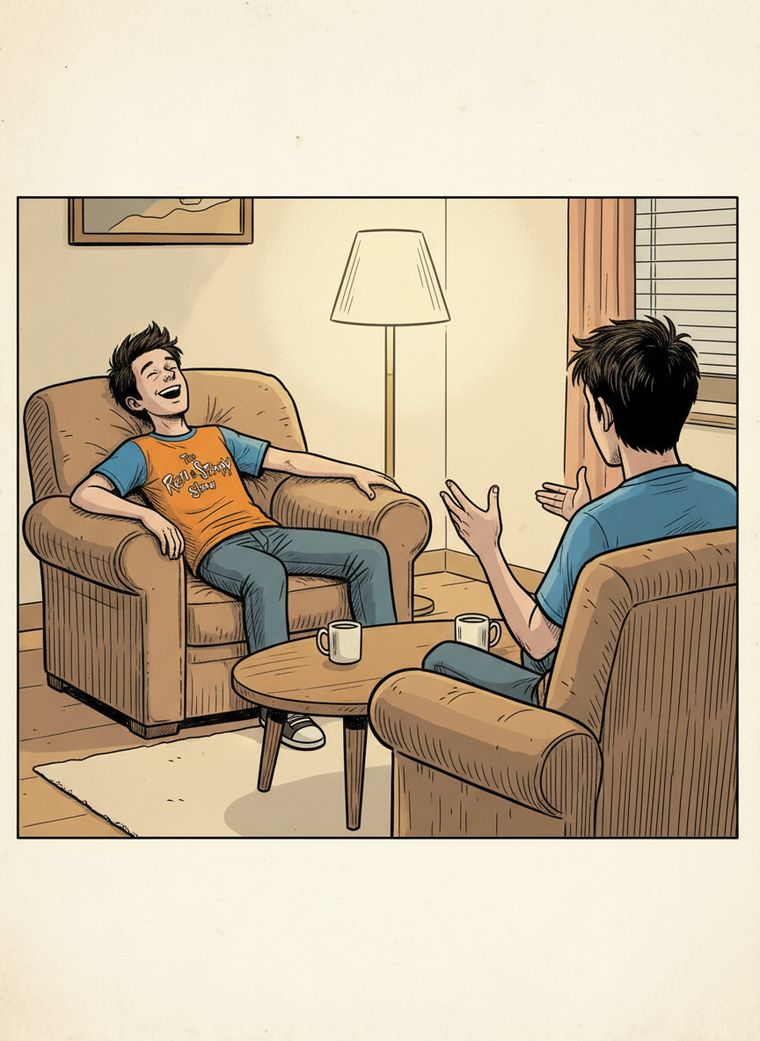 DAY 90
Keeping it.
The last section is about making it hold, including the rule that you never restart from day one. That rule is why people finish.
This is how the book is structured, not a promise about what will happen to you. It's one person's experience written down, with exercises. It isn't therapy and doesn't replace it.
Not out yet. The list gets it first, at the lowest price it'll ever be.
Instant download. Read it tonight.
Some of these will sound strange. That's the point.
Every day is one small, specific thing to do. Some of them look odd written down. They're the ones that did something for me, which is the only reason they're in here.
One rule: the days only work after the seven chapters in front of them. Read the book in order. Don't skip to the moves.
THE HALF SECOND GAP
When someone asks how you are, count to two before answering. That's it. You're not changing the answer, you're reopening the gap the reflex lives in. Try it today. Something shifts.
THE EVIDENCE PAGE
The page you build for three weeks and then read out loud to a photograph of yourself. This is the one people email me about.
LOUDER
The day you test whether the thing you've been managing your whole adult life actually exists. It takes one evening. Most people find out it doesn't.
TALK TO HIM
The one everybody thinks is stupid and everybody emails me about afterwards. You need one photograph and an empty room.
The four minute move
There's one move at the centre of the whole book. It takes about four minutes, I never tried it in ten years because nobody told me it mattered, and I don't say what it is anywhere on this page. It's on page 40.
I have ADHD. I can't read normal books either.
Every self-help book I ever bought died on chapter two. Forty-page chapters, walls of text, and a brain that had already left the room.
So I built this one the way my head actually works: one page a day, five minutes, pictures all the way through. Small steps you can't fail at. Miss a day, nothing breaks. It's built to be a little bit addictive, the good kind.
Some of these steps will look too small to matter. They're not. Do enough of them and you'll see exactly what version of you they add up to.
Read the book first. Then do the 90 days.
I can't promise how you'll feel. Nobody honest can. I can tell you what the days are, and that they're small enough to do on a bad night.
Read it, do the ninety days, and you get yourself back.
And if you do all of it and nothing changes, you've lost nothing but five minutes a day.
Changed your mind? Email me within 30 days and I'll refund you, no questions and no explanation needed. That one stands on its own.
And if you do the work: do the 90 days. All of them. Every step, every exercise, the ones that feel stupid and the ones that sting. Don't skim it and don't cherry-pick.
Then, if you still think it did nothing for you, email me and say so. You don't have to prove anything, argue your case, or fill in a form. Your word is enough.
I refund you every penny. All of it, back to the card you paid with. And you keep the book, because taking it back off you would be petty and wouldn't undo the ninety days you spent.
I can offer that because almost nobody who actually does all ninety days asks. If you're one of the ones it doesn't reach, I'd rather give you your money back than keep it.
Before you ask:
Is this therapy?
No, and I'd never say it was. It's what one person worked out, written down clearly. If what you're carrying is heavy, please see someone qualified, this sits next to that, never instead of it.
What if I miss days?
You can't fall behind. There's a rule in the book: miss ten days, pick up where you are. No streaks. Nothing to break.
I don't have anyone for the "people" parts.
The first 30 days are solo. The people days start tiny, one message, one true answer. Not "make friends."
How long does each day take?
About five minutes. Some take thirty seconds. None need you to feel brave.
What exactly do I get?
A 148-page illustrated book. Seven short chapters where I write about what happened to me and what I made of it, then 90 pages, one per day, each with a small exercise I tried, what I said when I tried it, and how it went for me.
Can I buy it right now?
Not yet, I'm still writing it. Nothing is for sale on this page today. Put your name on the waitlist and you'll be the first to know when it's ready.
How do I get it after paying?
Instantly. The download link appears the second you pay, and it's in your receipt email too. Readable on anything: phone, tablet, laptop.
What does the waitlist actually get me?
Two things. You get it before it goes public, and you get it at the lowest price it will ever be. The list gets the launch price; everyone after pays more.
What will it cost?
I haven't set the final price yet. Whatever it ends up being, the waitlist pays less than everyone else, that's the whole point of the list.
Will you spam me?
No. One email when the book is ready. That's what you're signing up for. I won't sell or share your details with anyone, ever.
Will you spam me?
No. Just your receipt and download link. I won't sell or share your details with anyone, ever.
I've tried self-help books before and never finished them.
So had almost everyone reading this. That's why there are no 40-page chapters here, each day is one page, five minutes, and the no-reset rule means missing days can't kill it. The book is built for people who don't finish books.
Is this for a specific age?
Most readers are 18 to 35, but the pattern is the same at any age. If you tapped four boxes above, it's for you.
Who are you?
I'm Toby. I spent ten years liked by everyone and known by nobody, worked my way out of it, and started posting about it. 40,000 people followed. This book is everything that actually worked, written down properly.
What people said they wanted.
Not to be happy. Not confident. Most people who filled in the questions picked the same thing: to feel things again.
One of them said it better than I can:
"I feel like a bonfire that used to be burning high but now it's just a small ember barely warm."
That's who this is for.
Get the book, $35